
Key Nutrients for Vitality Basics
Published in January 2026
Understanding Essential Nutrients
Your body requires various nutrients to function optimally and maintain consistent energy levels. These nutrients fall into two main categories: macronutrients (carbohydrates, proteins, and fats) and micronutrients (vitamins and minerals). Each plays a specific role in supporting metabolic function and daily vitality.
The Three Macronutrients
Macronutrients are the nutrients your body needs in larger quantities. They provide energy and the building blocks for body structures. Understanding each macronutrient's role helps explain why balanced nutrition supports optimal energy.
Carbohydrates: Your Primary Fuel
Carbohydrates are your body's preferred fuel source. They are broken down into glucose, which is used immediately for energy or stored as glycogen for later use. Your brain particularly relies on glucose for optimal function.
Carbohydrates come in different forms. Complex carbohydrates like whole grains, legumes, and vegetables contain fiber, which slows digestion and provides more sustained energy. Simple carbohydrates like fruits and refined grains provide quicker energy but may not sustain energy as long.
Adequate carbohydrate intake supports consistent blood glucose levels, which influences energy, mental focus, and mood throughout the day.
Proteins: Building and Maintaining
Proteins are composed of amino acids, which are the building blocks for muscles, organs, hormones, enzymes, and immune cells. While proteins can provide energy, this is not their primary role.
Amino acids are classified as essential (your body cannot make them, so you must get them from food) and non-essential (your body can produce them). Getting all nine essential amino acids requires eating a variety of protein sources or combining complementary plant-based proteins.
Adequate protein intake supports muscle maintenance, which is metabolically active tissue. Muscles require energy even at rest, so maintaining muscle mass influences your body's overall energy expenditure.
Fats: Concentrated Energy and Hormone Support
Dietary fats provide 9 calories per gram compared to 4 calories per gram for carbohydrates and proteins, making them a concentrated energy source. Fats are also essential for producing hormones, absorbing fat-soluble vitamins (A, D, E, K), and supporting brain function.
Not all fats affect your body equally. Unsaturated fats from sources like nuts, seeds, olive oil, and fatty fish are associated with better cardiovascular and metabolic health. Saturated fats should be consumed in moderate amounts. Trans fats, found in some processed foods, are associated with negative health effects.
Including adequate dietary fat supports hormone production, energy stability, and satiety—the feeling of fullness that helps regulate eating patterns.
Critical Vitamins for Energy
Vitamins are organic compounds that support countless body functions. Several vitamins are particularly important for energy production:
B Vitamins are crucial for converting food into energy. Thiamine (B1), riboflavin (B2), niacin (B3), pantothenic acid (B5), and pyridoxine (B6) all play specific roles in energy metabolism. Vitamin B12 is essential for red blood cell formation and nerve function. Folate (B9) is involved in DNA synthesis and cell division.
Vitamin C supports immune function, collagen production, and acts as an antioxidant. It also enhances iron absorption, which affects oxygen transport and energy.
Vitamin D supports bone health, immune function, and mood. It influences calcium absorption and muscle function.
Essential Minerals for Vitality
Minerals are inorganic compounds necessary for hundreds of body processes:
Iron is essential for oxygen transport in blood. Without adequate iron, your body cannot deliver oxygen efficiently to tissues, causing fatigue and reduced energy.
Magnesium is involved in over 300 enzymatic reactions, including energy production, muscle function, and nervous system regulation. Deficiency is associated with fatigue and muscle weakness.
Calcium supports bone health, muscle contraction, and nerve transmission. It works with magnesium to regulate muscle function.
Zinc supports immune function, protein synthesis, and wound healing. It's also involved in creating new DNA.
Potassium regulates fluid balance, nerve signals, and muscle contractions. It works with sodium to maintain proper hydration and cellular function.
Hydration: The Foundation
Water is often overlooked but is absolutely essential for energy and vitality. Water transports nutrients, removes waste, regulates temperature, and enables every metabolic process including energy production.
Even mild dehydration impairs physical performance, cognitive function, and energy levels. The amount of water needed varies based on activity level, climate, and individual factors, but consistent hydration is fundamental to maintaining vitality.
Fiber: The Overlooked Nutrient
Dietary fiber, found in whole grains, vegetables, fruits, and legumes, is not digestible but plays crucial roles. Fiber slows glucose absorption, providing more stable blood sugar and sustained energy. It also supports digestive health, which affects nutrient absorption.
Adequate fiber intake is associated with better energy stability, improved digestive health, and various other health benefits.
Nutrient Density vs. Calorie Density
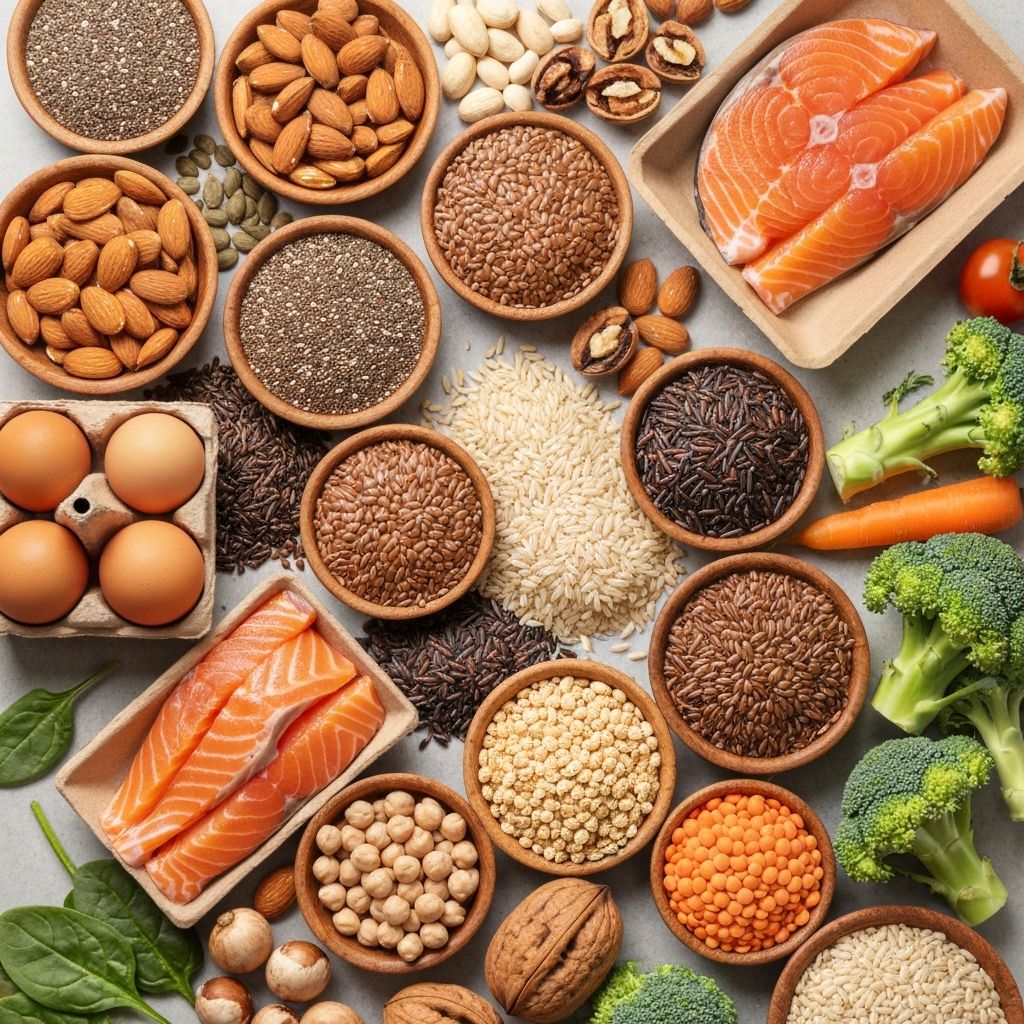
Different foods provide different nutrient-to-calorie ratios. Nutrient-dense foods like vegetables, fruits, whole grains, nuts, seeds, fish, and eggs provide substantial nutrients relative to their calorie content. These foods generally support better energy and vitality than calorie-dense but nutrient-poor foods.
A diet focused on nutrient-dense foods naturally provides the vitamins, minerals, and other compounds needed for optimal energy and metabolic function.
Individual Nutrient Needs
Nutrient requirements vary based on age, sex, activity level, health status, and individual metabolism. Someone very active has higher nutrient needs than someone sedentary. Pregnant women have higher nutrient needs than non-pregnant women. Individual genetic variations also affect how efficiently people utilize different nutrients.
This variation is normal and explains why there is no single optimal diet for everyone.
Key Takeaways
- Carbohydrates are your body's primary fuel source
- Proteins provide amino acids for building and maintaining body structures
- Fats provide concentrated energy and support hormone production
- B vitamins are essential for converting food into usable energy
- Minerals like magnesium and iron are critical for energy production
- Hydration is fundamental to all metabolic processes
- Nutrient-dense foods support better energy than calorie-dense foods
- Individual nutrient needs vary based on many factors