
Nutrition and Daily Energy Science
Published in January 2026
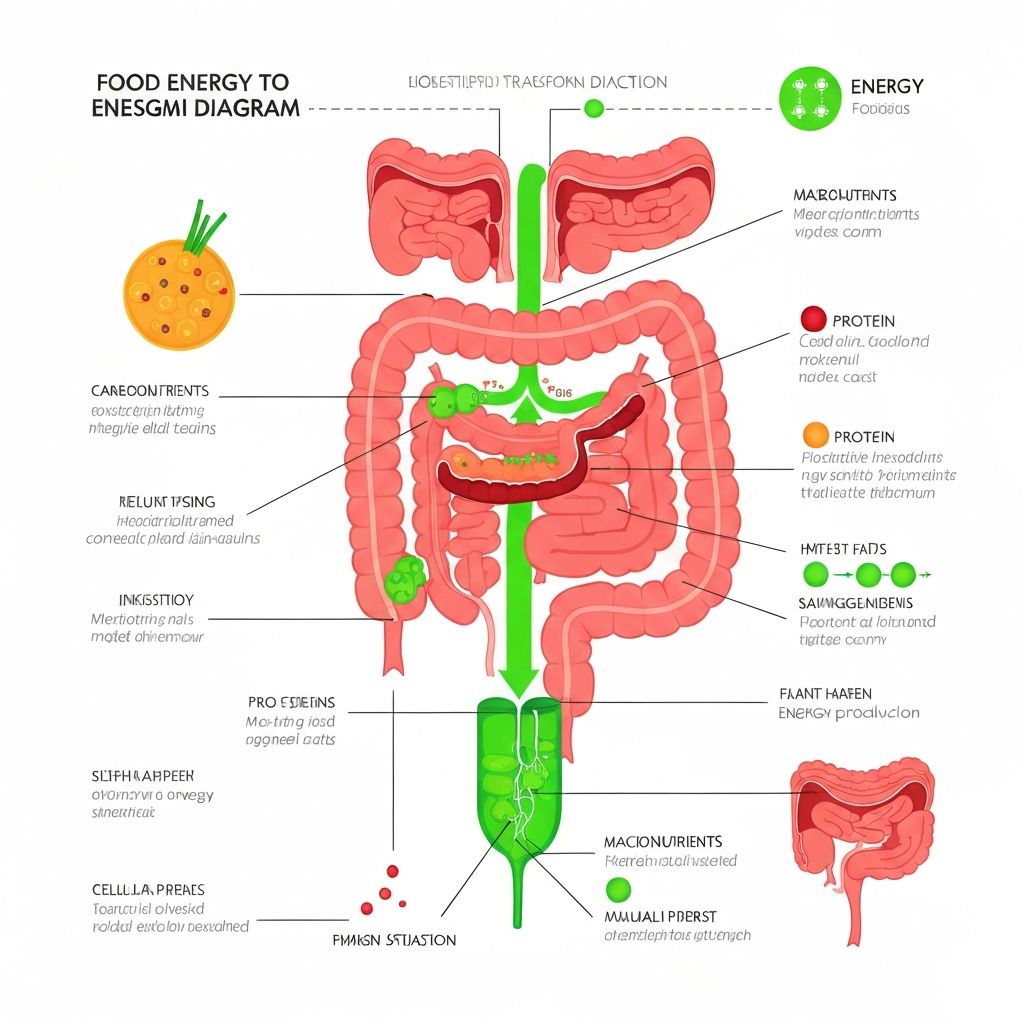
Understanding Energy Production
Your body continuously converts nutrients from food into usable energy through a process called metabolism. This conversion happens at the cellular level through a series of biochemical reactions. Understanding how this process works provides insight into why nutrition matters for daily vitality and energy levels.
The Role of Different Nutrients
Different nutrients play specific roles in energy production. Carbohydrates are the primary fuel source, providing glucose that enters cells and produces energy quickly. Proteins contribute amino acids that support muscle maintenance and hormone production. Fats provide concentrated energy and are essential for hormone function and nutrient absorption. Vitamins and minerals act as cofactors in energy-producing reactions.
Carbohydrates and Glucose Metabolism
When you consume carbohydrates, your body breaks them down into glucose. This glucose enters the bloodstream and is transported to cells throughout your body. Inside cells, glucose undergoes a process called cellular respiration, producing ATP (adenosine triphosphate)—the primary energy currency of your cells.
The speed at which glucose is available affects your energy levels. Foods with complex carbohydrates and fiber provide more sustained glucose availability, while simple carbohydrates provide quick but shorter-duration energy spikes.
Protein and Metabolic Function
While proteins are not primarily used for energy, they play crucial roles in supporting metabolic function. Amino acids are used to build and repair tissues, produce enzymes, create hormones, and support immune function. These processes collectively influence energy levels and overall vitality.
Adequate protein intake supports muscle maintenance, which is metabolically active tissue. Muscle tissue requires more energy to maintain than fat tissue, so individuals with more muscle mass have higher baseline metabolic rates.
Fats and Sustained Energy
Dietary fats provide more than twice the energy per gram compared to carbohydrates and proteins. This makes fats an excellent source of sustained energy. Additionally, fats are essential for producing hormones and absorbing fat-soluble vitamins.
The type of fat consumed matters. Unsaturated fats and omega-3 fatty acids support cardiovascular and metabolic health, while trans fats and excessive saturated fats may negatively impact metabolic function.
Micronutrients and Energy Production
Vitamins and minerals are essential cofactors in energy production. B vitamins are particularly important—they help convert carbohydrates, proteins, and fats into usable energy. Iron is crucial for oxygen transport in blood, which affects energy availability in tissues. Magnesium is involved in over 300 enzymatic reactions, many related to energy production.
Deficiencies in these micronutrients can impair energy production, leading to fatigue and reduced vitality despite adequate overall calorie intake.
Blood Glucose and Energy Stability
The body carefully regulates blood glucose levels to ensure consistent energy availability. When blood glucose rises, the pancreas releases insulin, which helps cells absorb glucose. The body stores excess glucose as glycogen in muscles and liver.
This regulation system explains why balanced meals with carbohydrates, proteins, and fats lead to more stable energy levels than meals with just one macronutrient. Stable blood glucose supports sustained energy and mental focus throughout the day.
Timing and Energy Availability
The timing of food consumption affects energy availability. Eating regular meals and snacks maintains consistent glucose availability for energy production. Skipping meals or eating very large meals can disrupt this balance, affecting energy levels.
Individual needs vary. Some people feel best with three regular meals, while others prefer more frequent smaller meals or snacks. The key is finding a pattern that maintains stable energy throughout the day.
Hydration and Metabolic Function
Water is essential for every metabolic process, including energy production. Dehydration can reduce physical performance, cognitive function, and energy levels. Even mild dehydration impairs metabolic efficiency.
Adequate hydration supports nutrient transport, temperature regulation, and efficient cellular function—all essential for consistent energy production and vitality.
Individual Variation in Energy Response
The amount and type of nutrients needed for optimal energy vary significantly among individuals. Factors influencing these needs include genetics, activity level, age, health status, and metabolic efficiency.
Some individuals thrive with higher carbohydrate intake, while others feel better with higher fat intake. This variation is normal and reflects individual differences in metabolism. Finding what works best for your body is part of understanding your personal vitality needs.
Key Takeaways
- Your body converts nutrients into energy through cellular respiration
- Different macronutrients play specific roles in energy production
- Micronutrients are essential cofactors in energy-producing reactions
- Balanced meals with all macronutrient types support stable energy
- Regular eating patterns maintain consistent energy availability
- Hydration is essential for efficient metabolism and energy production
- Individual responses to nutrition vary—what works for one person may not work for another